The Afghan Syndrome
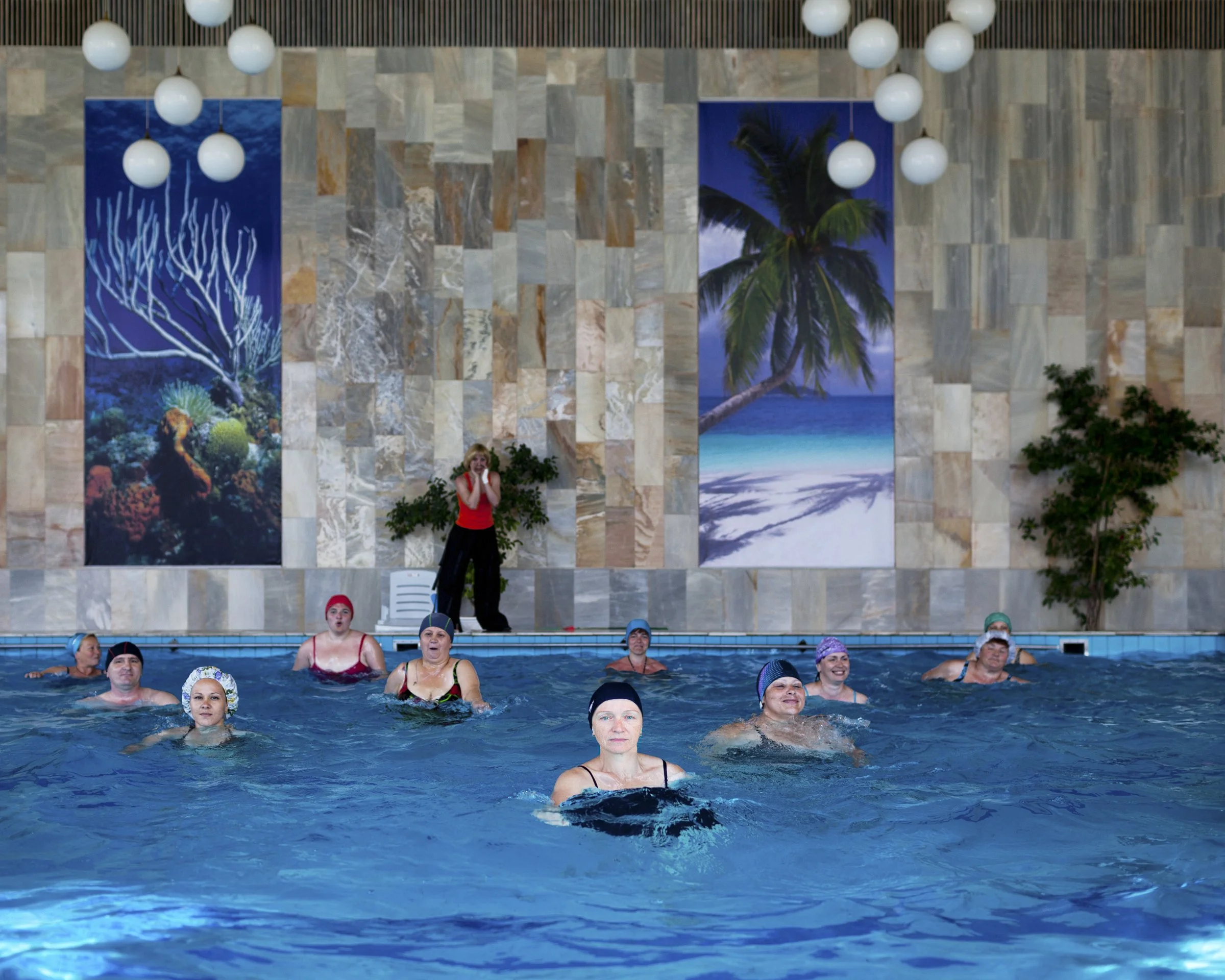
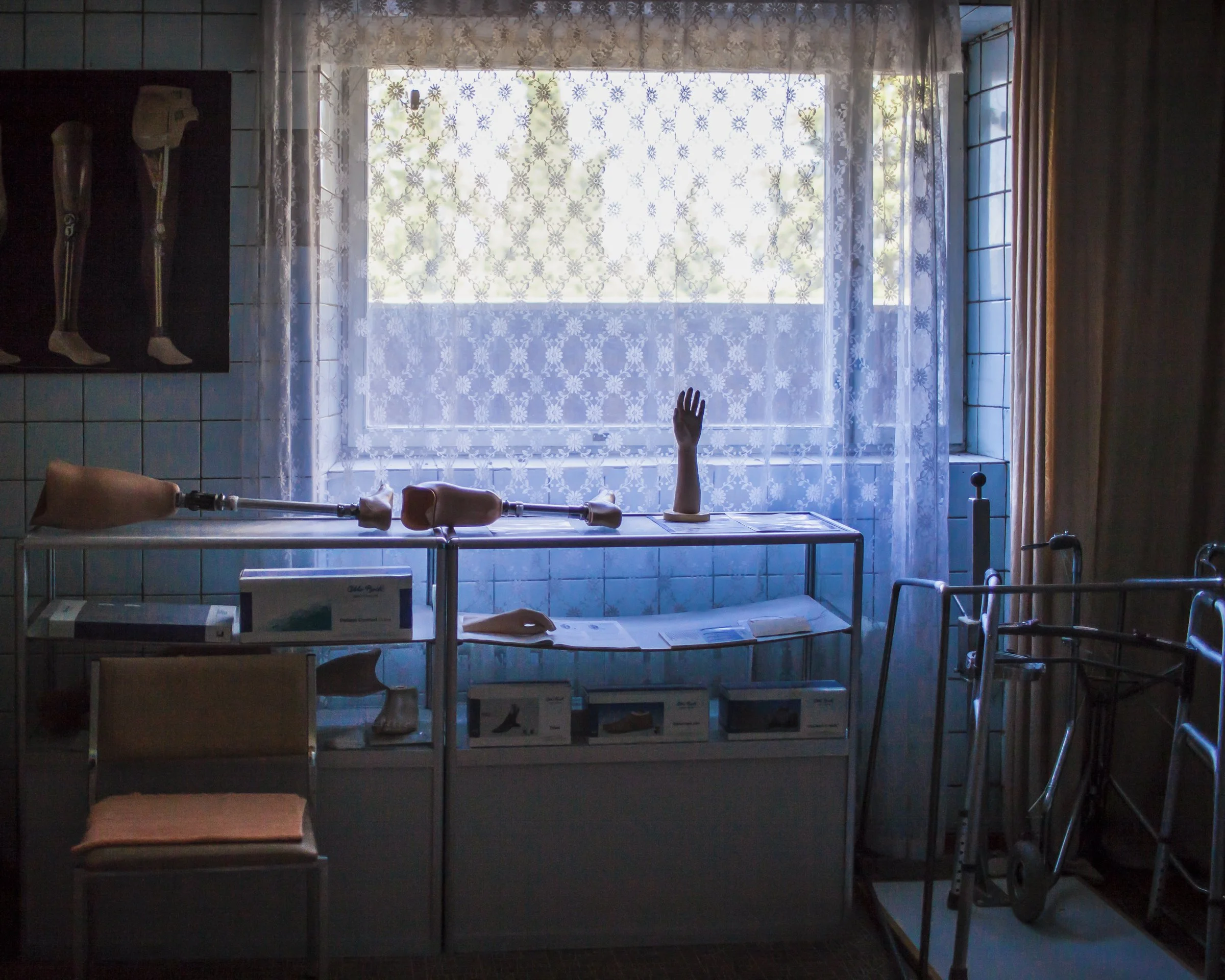
This work examines the relationship between healing traditions and collective identity, as part of a broader inquiry into life within systems shaped by a fractured world. The Afghan Syndrome series reflects on the enduring legacy of war and challenges the notion of what it means to heal. In May 2011, nearly a decade into the United States’ war in Afghanistan, I visited one of Russia’s veteran rehabilitation centers, commonly known as sanatoriums.
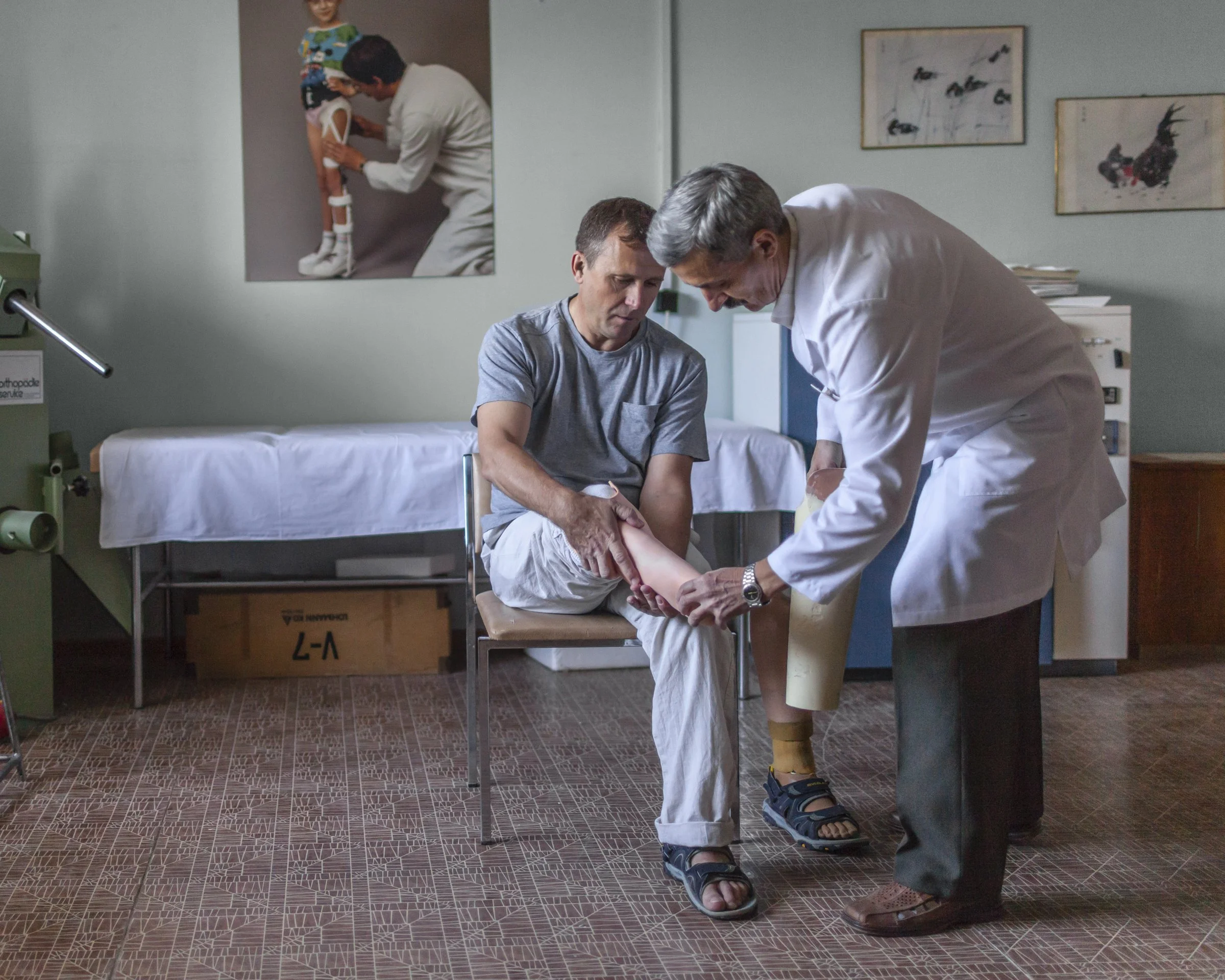
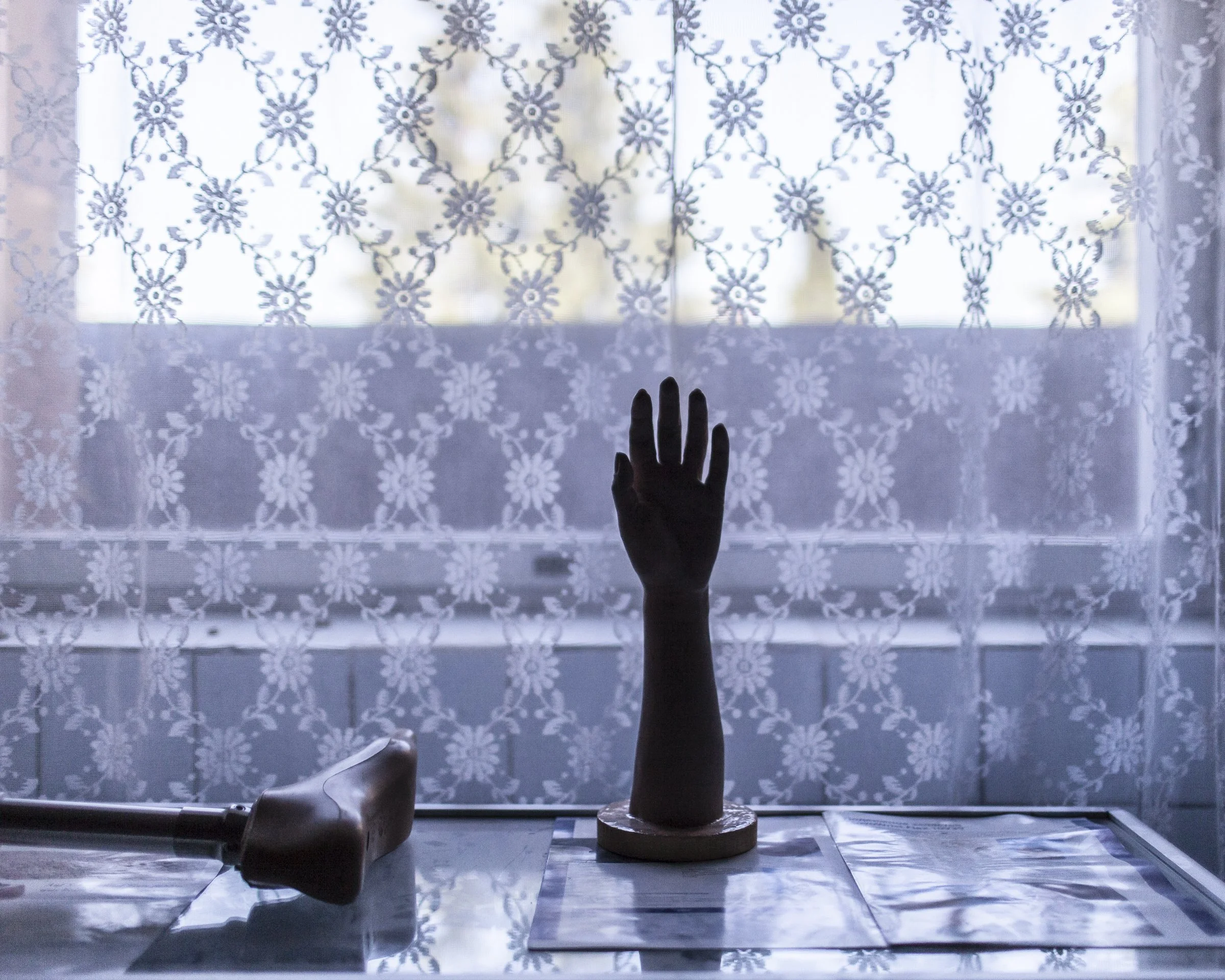
Between 1979 and 1989, the Soviet Union waged its own war in Afghanistan, leaving tens of thousands of soldiers physically and psychologically scarred paralleling the situation faced by the U.S. today. Drawn to this historical echo, I wanted to understand what care and recovery looked like for veterans, more than 20 years after their war had ended.
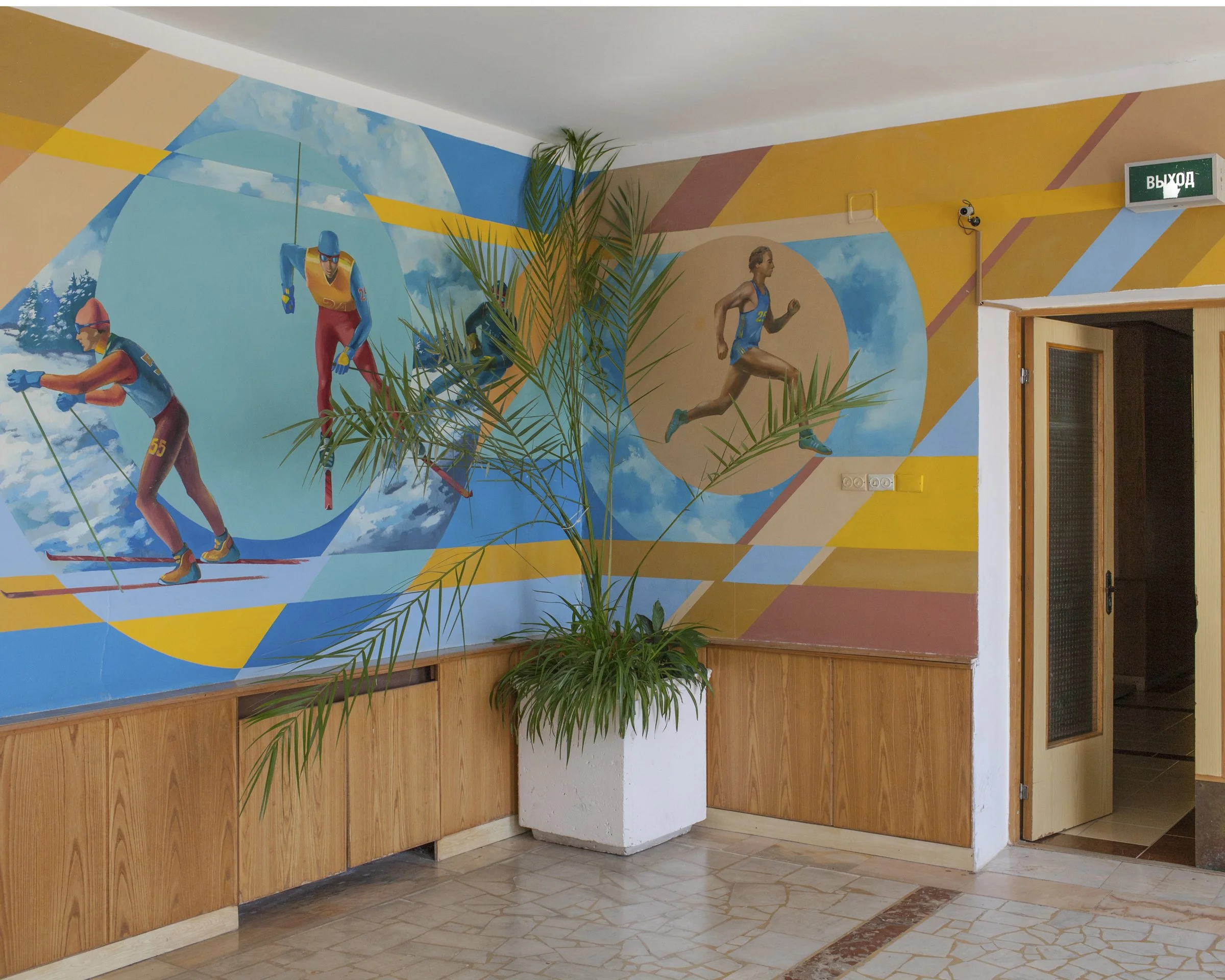
Originally built as a luxury resort for senior Communist Party officials, the “Rus” sanatorium, located near Moscow, was repurposed in 1989—the same year Soviet forces withdrew from Afghanistan. By 1991, ownership had transferred to the Russian Association of Veterans Disabled During the War in Afghanistan.
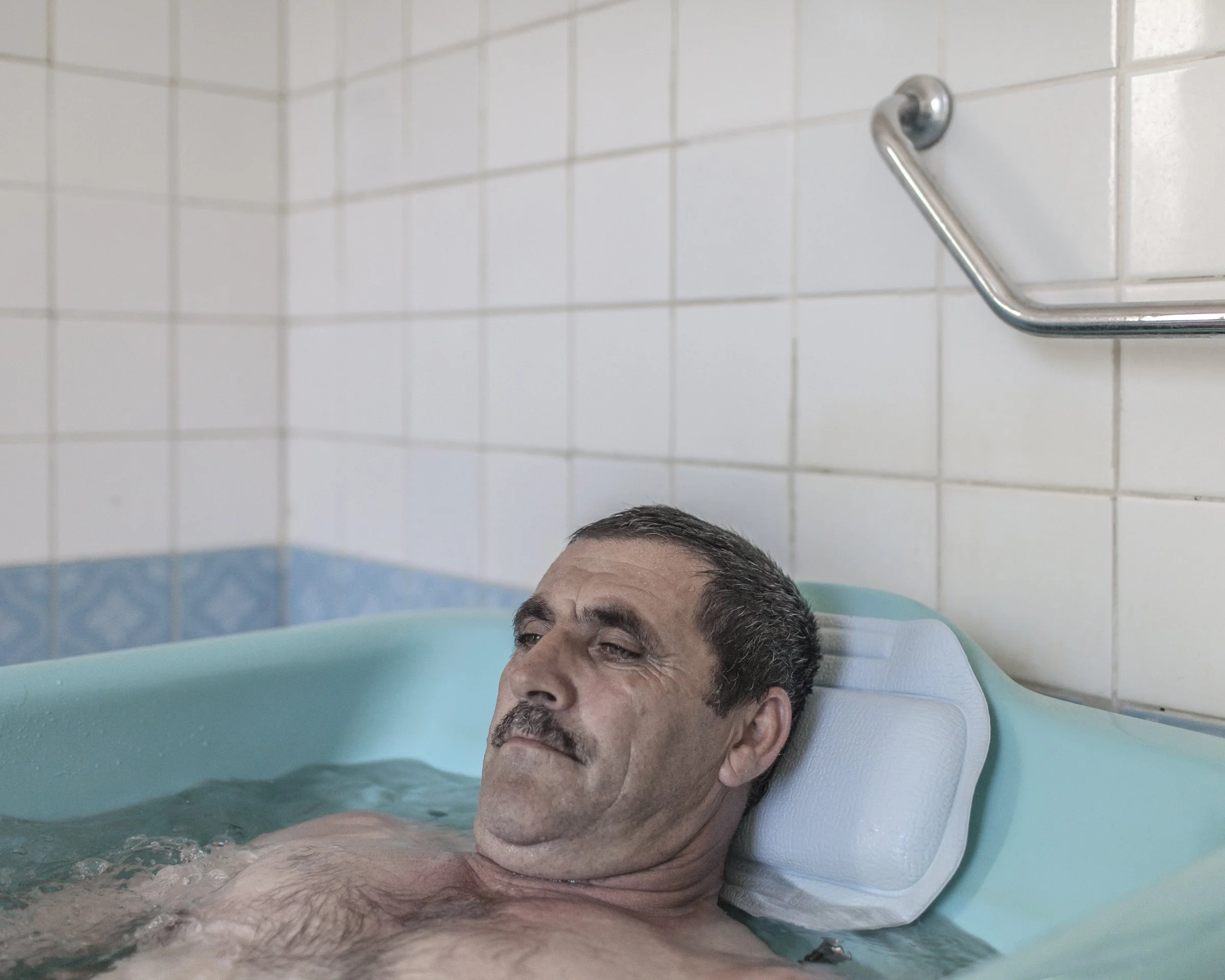
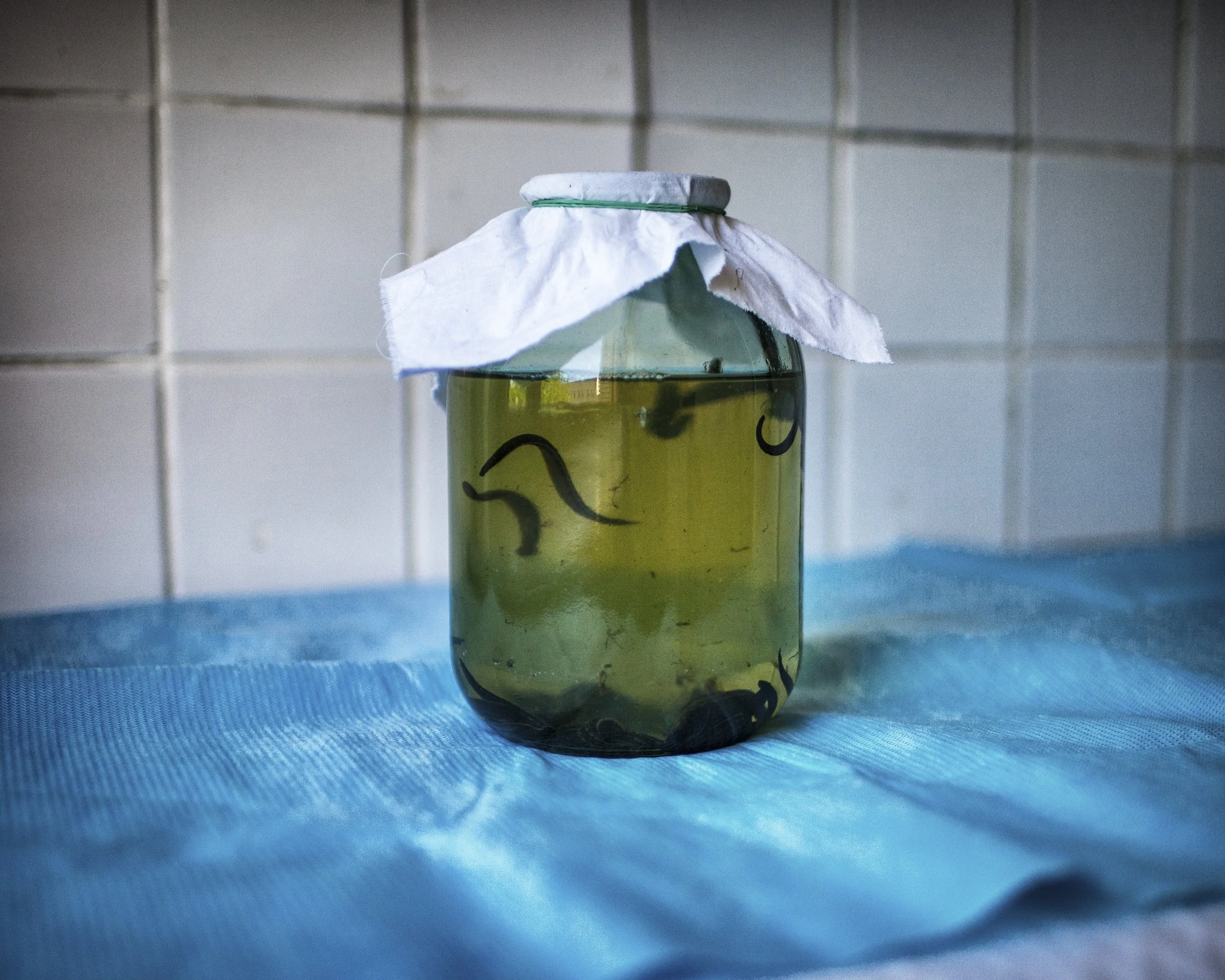
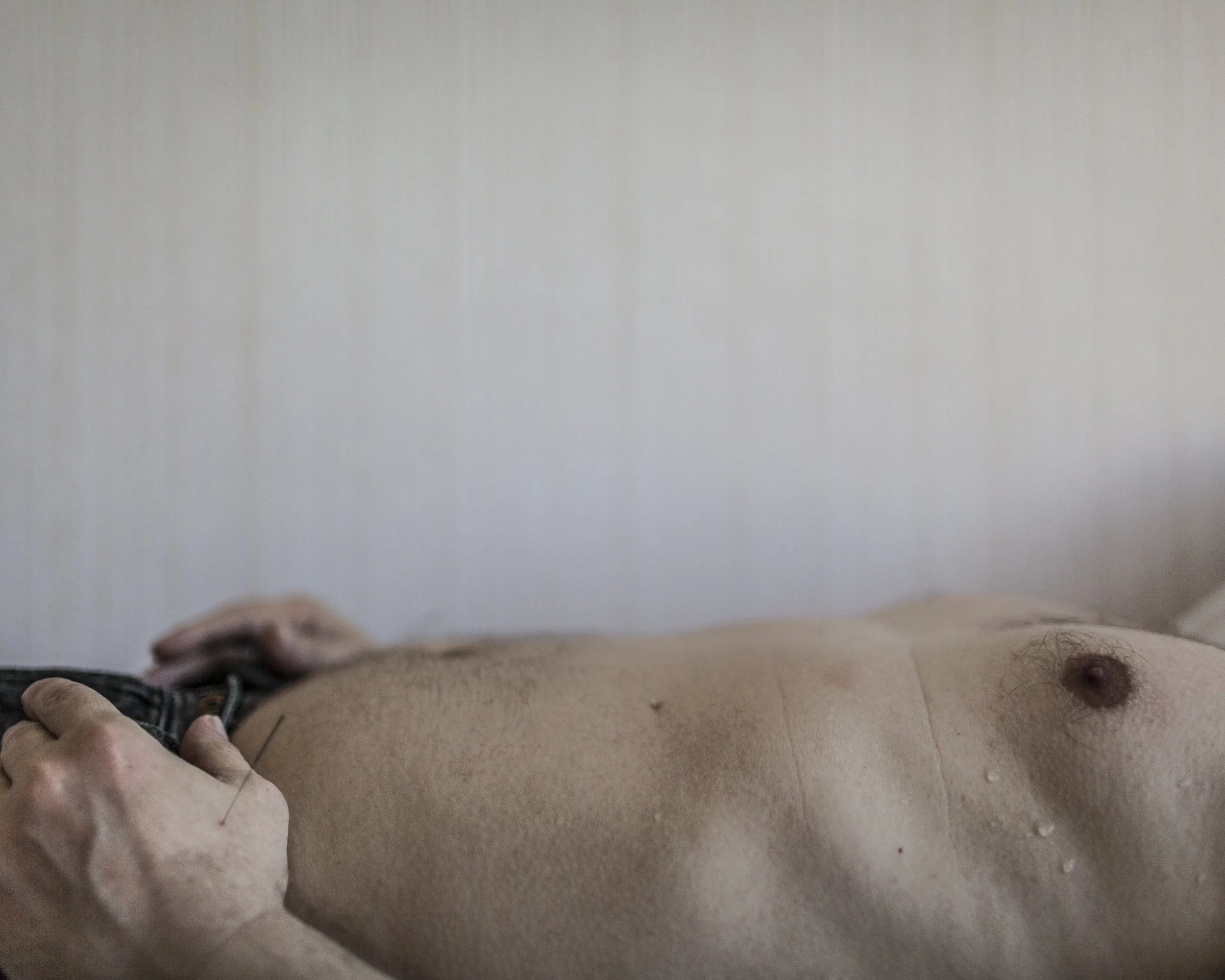
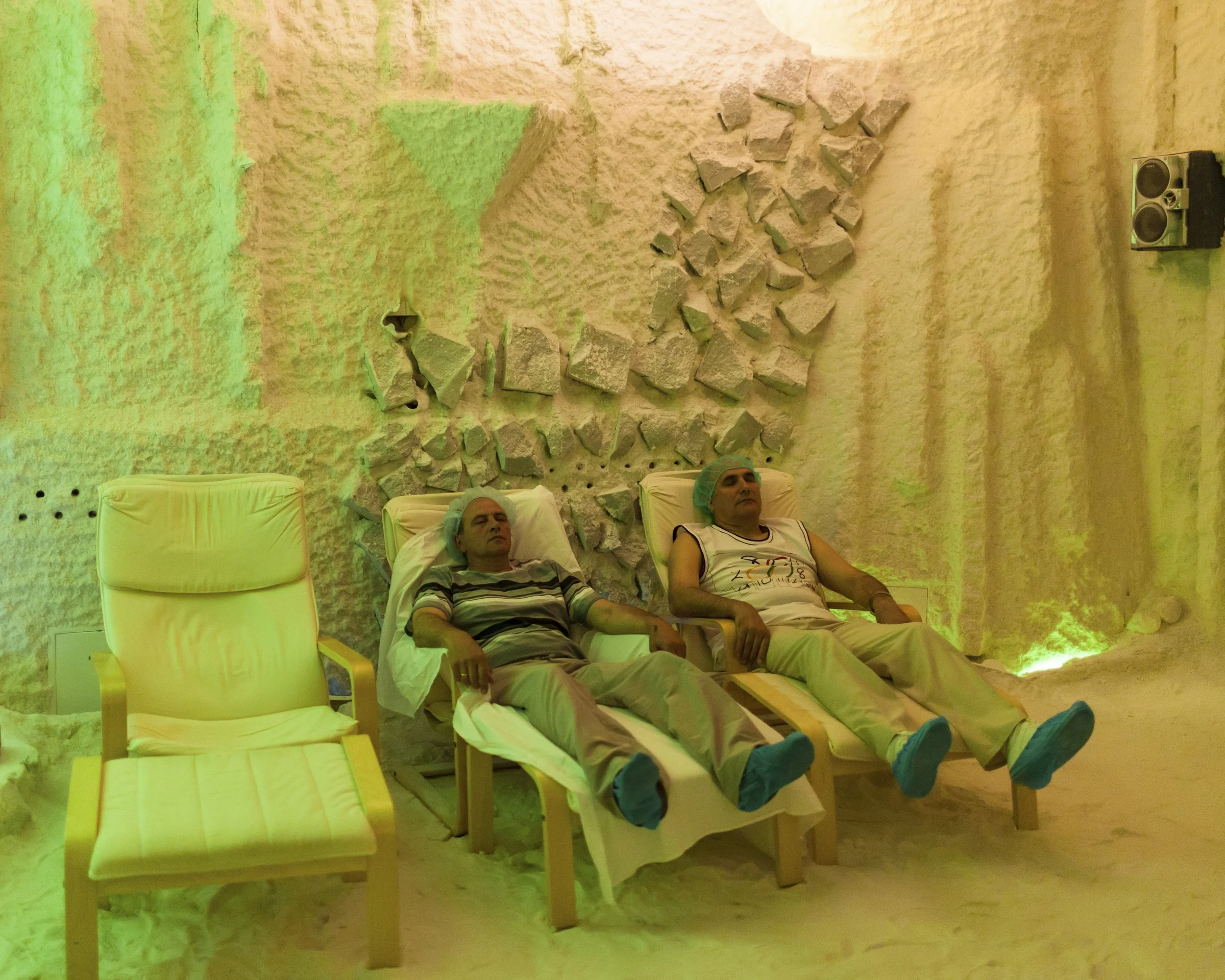
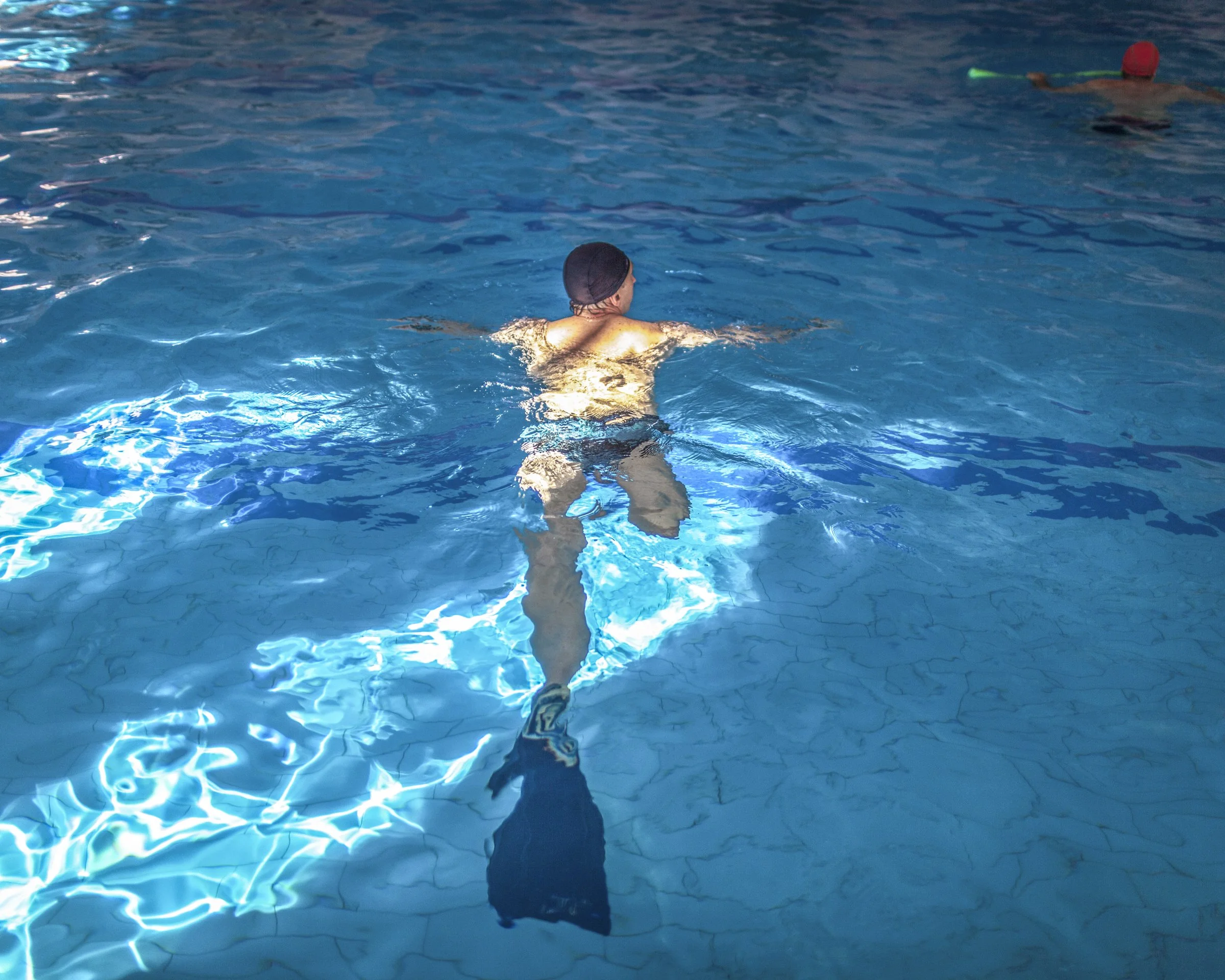
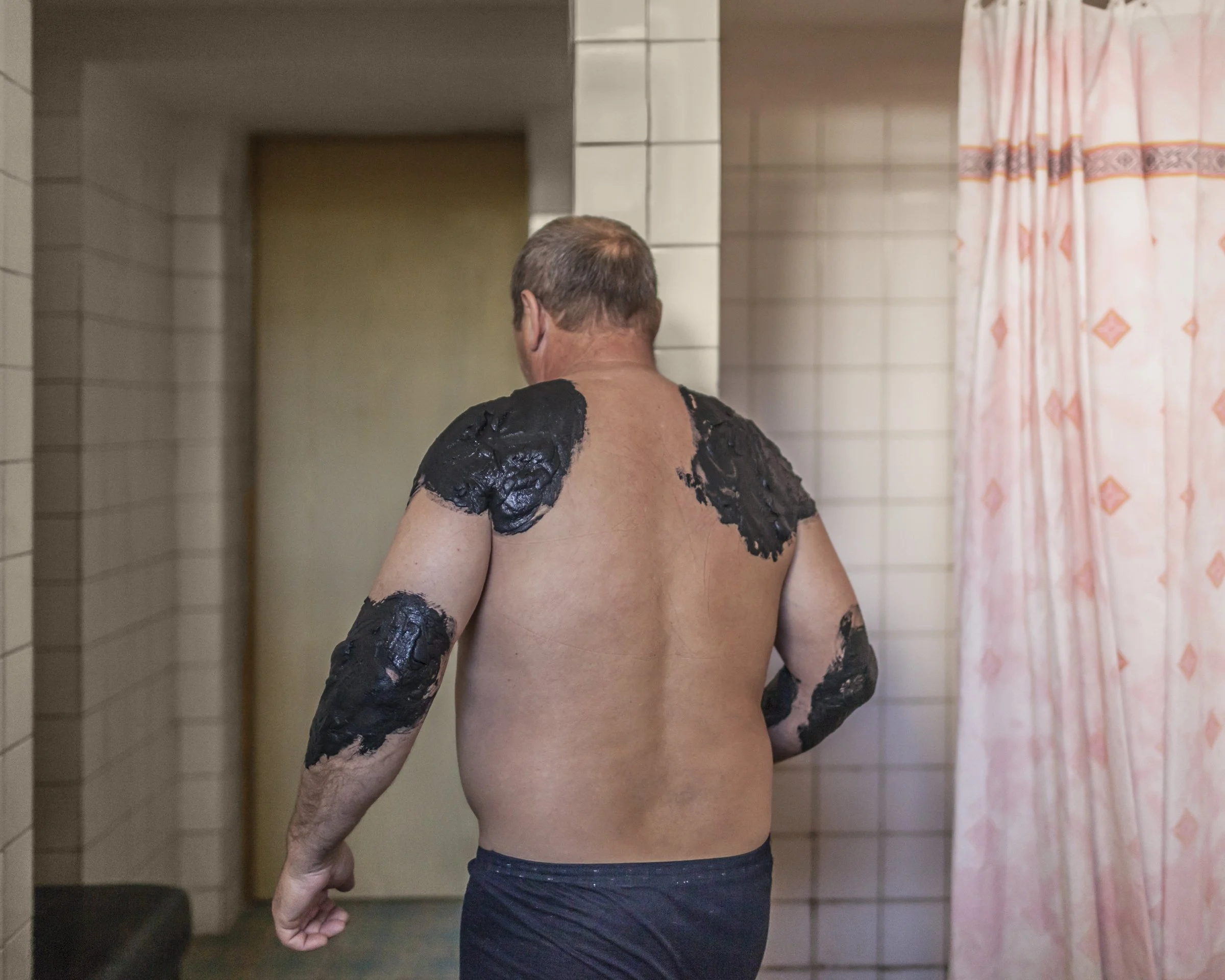
Historically, sanatoriums served as medical retreats for chronic illnesses such as tuberculosis. Today, Rus offers comprehensive physical, psychological, and social care for veterans and their families. It also provides alternative therapies for those unable to take conventional medications due to their conditions. Treatments include hirudotherapy (leech therapy), acupuncture, dry carbonic acid gas baths, electropuncture diagnostics, and bioresonance therapy.
When I visited, the facility housed around 250 patients—most of whom had been living with their injuries for over two decades.
© Eric Michael Johnson